

Build a Bulletproof Trading Routine: Simple Systems for Consistent Execution
Most traders know the pain of inconsistent results. You follow setups, but your execution slips, and risk creeps up unnoticed. A solid trading routine changes that: it ties your daily trading checklist and trade journal directly to risk management rules and execution metrics. In this post, you’ll get a step-by-step routine built for real-world consistency, backed by Astrofund’s challenges and tools that keep discipline sharp and accountability tight. Check out this link for more insights on improving your trading routine.
Building Your Trading Routine
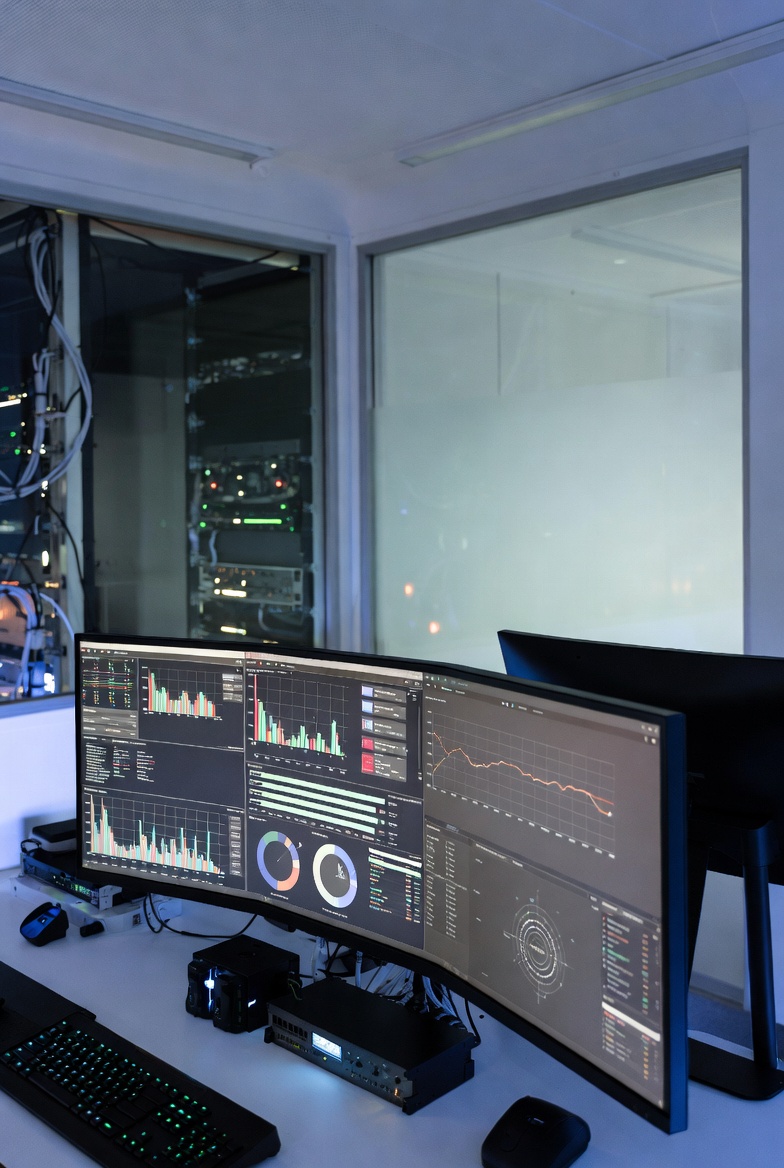
Trading success hinges on a well-crafted routine. Let’s explore how to build a structure that boosts your performance.
Starting with a Daily Checklist
A daily checklist serves as your foundation. Think of it as your trading bible for the day. It ensures that you never miss a beat. Start by listing every step you need before you even look at charts. This might include checking economic calendars or scanning for news that could affect your trades. A solid checklist means fewer missed trades and more consistency.
Incorporate reminders to review your risk management rules and set intentions for the day. These can keep you focused and disciplined. Writing down your goals can also be a powerful motivator. Traders who stick to their checklists often find a significant increase in trading consistency.
Crafting a Pre Market Routine
Before the market opens, preparation is key. This phase is about mental readiness and alertness. You want to be in the right mindset when the bell rings. Start with a brief meditation or a few minutes of visualization. Picture how you want your trades to unfold. Follow this by reviewing your trading plan for the day.
Check your setup and ensure your tools are working correctly. Spend time analyzing potential trades, noting support and resistance levels, and setting alerts. This routine helps eliminate uncertainty, making you confident as you enter the market.
Post Trade Review Essentials
Reflecting on your trades is where growth happens. After the trading day ends, take time to review each trade. Ask yourself: Did I follow my rules? What could I have done better? This is where a trade journal becomes invaluable. Write down everything—the good and the bad.
Reviewing trades helps you see patterns and avoid repeating mistakes. Use this time to update your trading plan based on lessons learned. Most traders fail to do this consistently, missing out on valuable insights. Embrace this habit, and you’ll notice improvements in your execution and discipline.
Consistency Through Risk Management
Consistency is built on a foundation of strong risk management. Let’s explore how to keep your capital safe while pursuing growth.
Implementing Risk Management Rules
Every trade should have predefined risk management rules. These rules protect your account and keep emotions in check. Begin by deciding how much of your capital you’re willing to risk on a single trade. A common guideline is 1-2% of your account balance.
Set stop-loss orders to automate your exit if the trade doesn’t go as planned. This not only prevents substantial losses but also reduces stress. When risk is managed, you can focus on execution, knowing that you’re protected against major setbacks.
Managing Drawdown Control
Drawdowns are inevitable. It’s how you manage them that counts. Set a maximum drawdown limit for your account. When you hit this limit, step back and reassess. This might mean taking a break from trading to avoid further losses.
Consider using a drawdown control strategy. This involves reducing your position size after a series of losing trades. It’s a proactive way to minimize losses while you regain your footing. Remember, the goal is to last in the market, not to make it all back quickly.
Tracking Execution Metrics
To improve, you need to track your performance. Metrics like win rate and expectancy tell you how well your strategy is working. Keep a detailed record of your trades, including entry and exit points, reasons for entering, and outcomes.
Review these metrics weekly. Look for patterns or areas for improvement. This data-driven approach gives you a clear picture of what’s working and what’s not. As you fine-tune your strategy based on these insights, trading consistency naturally improves.
Leverage Astrofund’s Challenges

Astrofund provides a unique platform to practice and prove your trading skills. Here’s how you can make the most of it.
Choosing Your Challenge Path
Astrofund offers various challenges like the Nova, Nebula, and Gravity challenges. Each has its own set of rules and requirements. Choose one that aligns with your current skill level and trading style. These challenges are designed to mimic real trading conditions without risking your capital.
By participating, you gain experience in structured environments that test your discipline. Astrofund’s automated systems ensure fair play, allowing you to focus solely on improving your skills and reaching your trading goals.
Benefits of Leaderboard Trading
Competitive traders thrive on leaderboards. They provide an objective benchmark to measure your progress. Astrofund’s leaderboards rank participants based on performance. This transparency motivates you to refine your strategy and climb the ranks.
Leaderboard trading transforms trading into a game with milestones to achieve. This gamification aspect encourages discipline and consistency, making the learning process engaging and rewarding.
Accountability and Trading Psychology
Accountability is a powerful motivator. Astrofund’s community fosters a supportive environment where traders can share insights and hold each other accountable. Engaging with peers keeps you motivated and on track.
Understanding trading psychology is also crucial. Recognizing emotional triggers and learning to manage them improves discipline. Astrofund’s community and challenges provide the support and feedback needed to navigate the psychological aspects of trading effectively.
Incorporate these strategies into your trading routine, and you’ll be on the path to becoming a more consistent and successful trader.